The TV-First Pivot: Why YouTube’s New Rules Demand a New Creator Strategy
YouTube is shifting to a TV-first platform. Discover why long-form content, authority building, and new 2027 monetization rules define creator success.
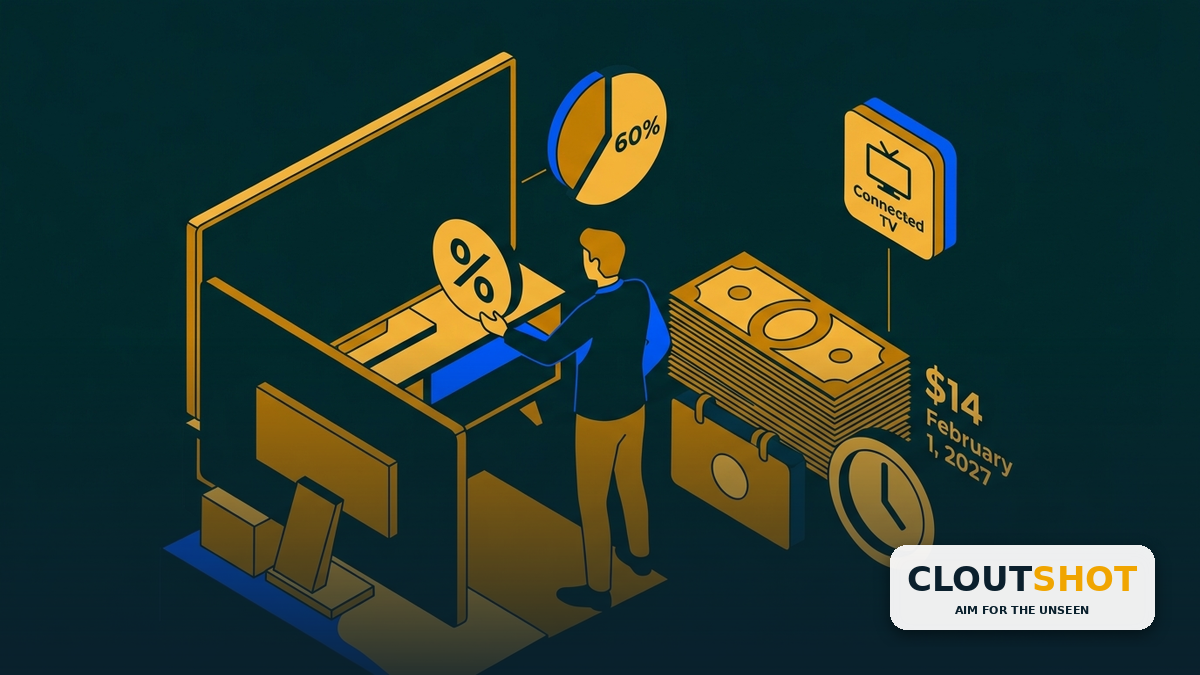
YouTube has fundamentally evolved from a social platform into the world's premier Connected TV (CTV) network. With 60% of U.S. watch time now occurring on television screens and a projected $14 billion in CTV ad revenue by 2027, the platform has replaced traditional broadcast, demanding that creators pivot from "viral video" chasing to building premium, series-based IP.
The Convergence of TV and YouTube
The era of the "amateur video" is dead. As reported by Digital Applied, Connected TV surpassed mobile as YouTube's largest U.S. watch surface in Q4 2025. This shift means the platform is now competing directly with Netflix and traditional cable for living room attention. Creators like Dhar Mann have effectively "flipped the studio model," producing high-production-value series specifically designed for the big screen, resetting how audiences engage with creator-led content.
The New Rules of Monetization
Starting February 1, 2027, YouTube is raising the bar for creators. New applicants to the YouTube Partner Program (YPP) will face stricter thresholds: 8,000 long-form watch hours (doubled from 4,000) or 20 million Shorts views in a 90-day rolling window.
This move is a deliberate attempt to professionalize the ecosystem and penalize "slop content"—the automated, low-effort AI aggregators that have plagued the platform. For serious creators, this means shifting from a quantity-focused strategy to an authority-first approach. As strategist Paddy Galloway notes, success now requires building recognizable, bingeable shows rather than chasing isolated, hit-and-run viral views.
Marketing Success: Being the Answer
The old SEO playbook—keyword stuffing and gaming algorithms—is obsolete. Modern marketing on YouTube (and across AI-driven platforms) centers on Answer Engine Optimization (AEO). Entity Authority: Don’t just rank for a keyword; become the recognized, trusted voice for a specific topic or problem. Multi-Surface Strategy: Use Shorts for rapid discovery, Long-form as your "authority engine" to build deep trust, and Community Features to foster the loyalty that keeps an audience coming back to the living room screen. Undervalued Attention:* Big brands are currently struggling to scale YouTube creator partnerships because the infrastructure for mass, multi-creator activation is still maturing. Creators who can prove measurable, engaged viewership—moving beyond superficial view counts—are securing massive leverage in this "funky in-between" market stage.
Operator Playbook
Stop chasing clicks, start building shows: Audit your library. Are you producing random content, or do you have a "Channel Promise" (e.g., “I help [X] solve [Y] through [Z]”)? Consolidate your efforts into 2-3 repeatable, high-quality formats. Optimize for the Living Room: Design thumbnails and titles that are legible from 10 feet away. If your content doesn't hold up on a 65-inch screen, you are missing out on the platform's most valuable real estate. Diversify income early:* Do not let ad revenue be your only signal of success. Build direct-to-consumer revenue (memberships, consulting, digital products) so your business survives even when platform thresholds shift.
FAQ
Q: Is it still worth posting YouTube Shorts in 2027? A: Yes, but only as a discovery funnel. Shorts act as the "trailer" for your main series; use the 'Related Video' feature to immediately bridge that discovery to your long-form authority content.
Q: How do I beat the 'AI slop' problem? A: Focus on human-centric value. AI can handle research and editing, but it cannot replicate your specific personality, lived experience, or the trust you build with your audience over time. Focus on the human element that AI cannot fake.
Sources & References
Digital Applied - "YouTube Statistics 2026: 180+ Platform Data Points" Digiday - "The winners and losers of YouTube’s view count and monetization overhaul" Jo Redfern/LinkedIn - "YouTube has nurtured a creator economy" Time Booster Marketing - "YouTube Growth Strategy for 2027"